What the measurements say
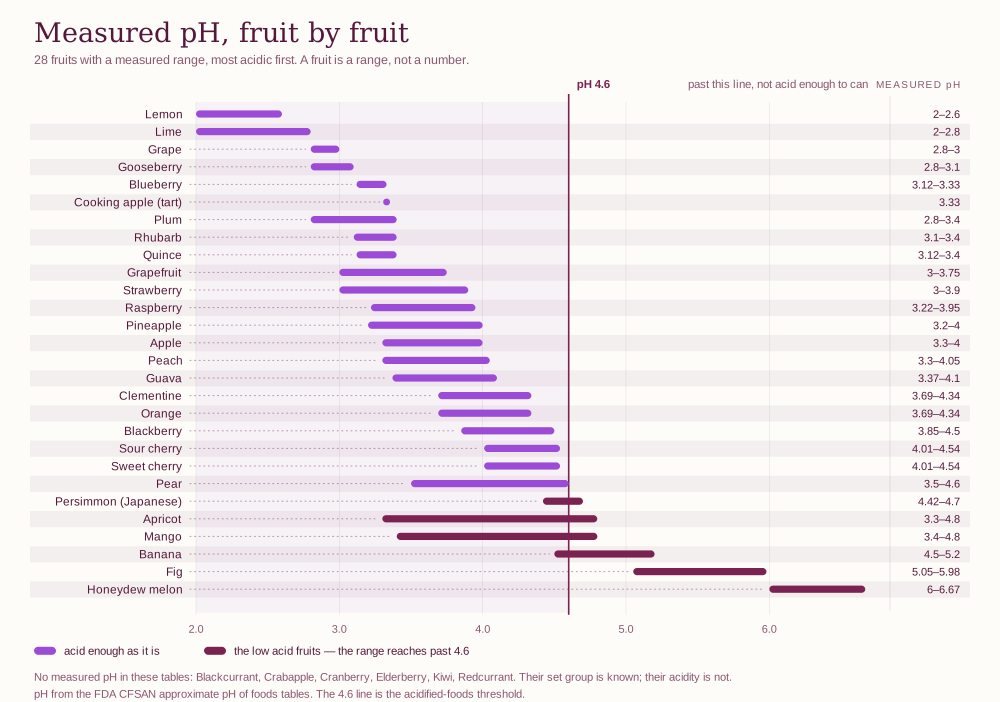
Gooseberry measures pH 2.80–3.10, which makes it the 4th most acidic of the 28 fruits in this register with a published range: sharper than a plum, sharper than a rhubarb, in the same band as the citrus. Its pectin class is high, and the extension listings put it in set group 1, the group defined as having enough of both to gel unaided.
Both conditions met is rarer than the recipe literature suggests. It is why gooseberry appears so often as a partner fruit in other people's jams: it is being used as a pectin and acid source, not for its flavour.

What that changes in the pan
No lemon is required. Not because it would be harmful but because it is redundant: at pH 2.80–3.10 the pectin can already bond, and past that point more acid sharpens the flavour without improving the texture. This is the exact inverse of the rhubarb case, where the acid is also already there but the pectin is not. Same first half, opposite conclusion.
No added pectin, and no jam sugar. A high-pectin, high-acid fruit gains nothing from a sugar that carries pectin and acid, and can overshoot into a firm, rubbery set. Plain granulated sugar is the right product; see jam sugar for what is actually in the alternatives.
The risk moves to the other end. With both conditions met from the start, the only remaining variable is concentration, so a gooseberry preserve is far easier to overcook than to leave slack. Test early with a cold plate rather than late with a thermometer, and note that 220 °F is reached fastest by exactly the fruits that needed the least help.
Ripeness is a variable here, and it works backwards
Pectin is highest in slightly under-ripe fruit and falls as the fruit ripens, and acidity falls with it. For most fruits that is a trade-off. For a gooseberry it means the hard green fruit early in the season is the better preserving fruit, and the soft ripe fruit later, sweeter and the better one to eat, is the weaker one in the pan. Picking under-ripe is not a compromise here; it is the correct choice.
One figure the register cannot supply: gooseberry has no USDA SR Legacy sugars entry, so its sugar content is recorded as not established. Its carbohydrate is published, but carbohydrate is not sugar, and converting one to the other would be an invented number. It matters little in practice, because almost all the sugar in the finished jar was added.
Per-fruit figures for the whole register are in the fruit register; the mechanism itself is under pectin, and the diagnosis if a jam does misbehave is in jam that will not set.
Questions about gooseberry preserves
Does gooseberry jam need pectin?
No. Gooseberry is classified high in pectin and sits in set group 1, the group defined as gelling unaided. Added pectin risks a rubbery set rather than a better one.
Does gooseberry jam need lemon juice?
No. At pH 2.80–3.10 the acid condition is already met. Lemon will sharpen the flavour and will not improve the set.
Should gooseberries be ripe for jam?
Slightly under-ripe is better. Pectin and acid are both highest before full ripeness and fall as the fruit softens, so the hard green early fruit is the stronger preserving fruit and the ripe one is the better eating fruit.
How much sugar is in a gooseberry?
Not established from the sources this register uses: there is no USDA SR Legacy sugars entry for gooseberry. Its carbohydrate figure is published, but carbohydrate is not sugar and converting between them would be a guess.
Why does gooseberry appear in other fruits’ jam recipes?
Because it is being used as a pectin and acid source. A high-pectin, high-acid fruit in proportion changes the behaviour of a pan of fruit that has neither.