Which fondant is being asked about
Almost all of the confusion here is that one word covers three preparations. Asked without qualification, is fondant gluten free is nearly always a question about the rolled sugar covering on a celebration cake. But it is just as often typed by someone who means fondant au chocolat, the molten-centred cake, and the two answers point in opposite directions. The full disambiguation is at fondant meaning.
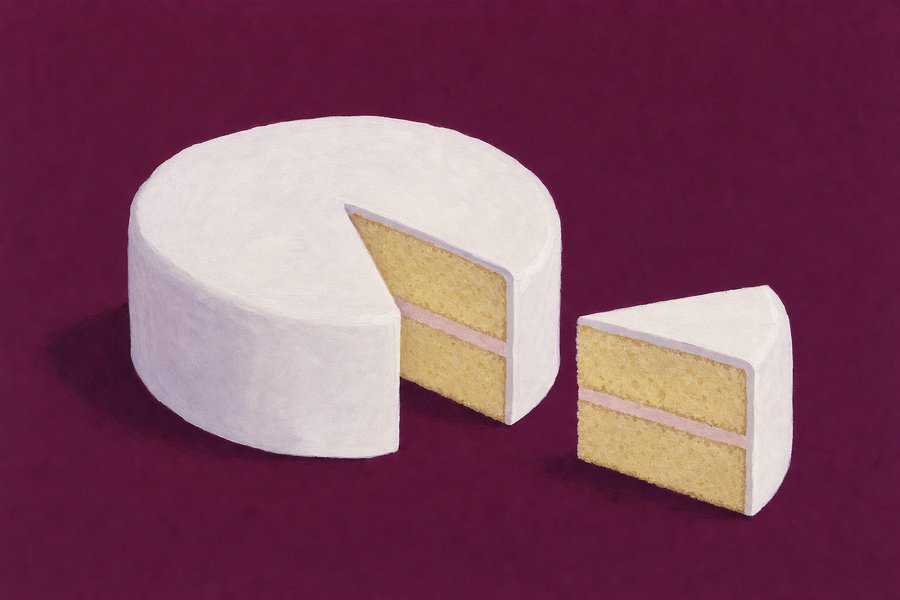
The covering: gluten-free in principle
The pliable sugar covering rolled over cakes - sugar, water and glycerine. On its ingredients, that is gluten-free, since there is no cereal in sugar, water and glycerine.
Three caveats apply, and they are about the packet rather than the recipe. Commercial brands add flavourings, colourings and stabilisers that may carry gluten. Shared production facilities are a real risk for anyone coeliac rather than a theoretical one. And “glucose syrup from wheat” appears on many labels and is considered safe for coeliacs, so seeing it is not by itself a reason to reject a product.
That last point is worth stating plainly because it causes needless avoidance. Wheat-derived glucose syrup is processed to the point where the gluten protein is not present in a meaningful quantity, and it is treated as safe in food labelling for that reason. The things to look for instead are unspecified starches, added flavour systems and an absence of any allergen statement.
The cake: usually contains flour, and does not need much
A small baked chocolate cake with a deliberately unset, flowing centre. NOT the same thing as fondant icing. A standard recipe contains wheat flour, so the plain answer for the cake is no, not as normally made.
But it is among the easiest cakes to make without it, and that is a structural fact rather than a trick. The whole point of a fondant au chocolat is a centre that never sets, so it needs far less flour than a cake that has to hold a crumb throughout. Very little is doing structural work, and what there is can be replaced by ground almonds, rice flour, cornflour or a commercial blend without changing the character of the dessert.
Which is why so many flourless chocolate cakes sit close to this one. Remove the flour entirely and rely on egg and chocolate for structure and you have a related dessert, denser and more truffle-like, that behaves similarly in the middle. The line between a flourless chocolate cake and a gluten-free fondant au chocolat is a matter of degree.
What still needs checking
One structural note for anyone converting the cake rather than buying the covering. Because the flour quantity is small, the substitute's flavour matters more than its behaviour: ground almonds bring their own taste and a little fat, rice flour is neutral but can read slightly grainy, and cornflour is neutral and binds tightly. In a chocolate batter almonds are usually the least noticeable of the three, because chocolate and almond already sit together.
The other thing that changes is timing. A batter without gluten sets on egg and starch alone, so the window between an unset centre and a set one is narrower, and the cake is best judged a minute early rather than a minute late.
Chocolate itself is the ingredient most often assumed safe and worth confirming: cheaper couvertures and filled chocolates carry a range of additions, and some are processed alongside cereals. Baking powder is the other one, usually cornflour-based, but wheat starch appears in some brands.
And if the cake is to be finished with the covering, the two questions collapse into one and the covering's caveats become the cake's. A gluten-free sponge under a fondant of unverified origin is not a gluten-free cake, which is the practical reason the two senses of the word are worth keeping straight.
Questions about fondant and gluten
Is fondant icing gluten free?
In principle yes, because sugar, water and glycerine contain no cereal. In practice check the label: brands add flavourings and stabilisers that may carry gluten, and shared facilities are a real risk for coeliacs.
Is glucose syrup from wheat safe for coeliacs?
It is considered safe and is treated as such in food labelling, because the processing leaves no meaningful quantity of the gluten protein. Seeing it on a label is not a reason to reject a product.
Is fondant au chocolat gluten free?
Not as normally made, since a standard recipe contains wheat flour. It is however one of the easiest cakes to convert, because very little flour is doing structural work in a cake whose centre is meant to stay unset.
What can replace the flour in a chocolate fondant?
Ground almonds, rice flour, cornflour or a commercial blend all work, because the quantity is small and its job is minor. Removing it entirely gives a denser, more truffle-like flourless chocolate cake, a close relative rather than a failure.
What else should I check besides the flour?
Chocolate, which can be processed alongside cereals in cheaper grades, and baking powder, which is usually cornflour-based but is wheat-starch-based in some brands.